If you’ve ever battled flyaways only to end up with stiff, crunchy strands that look like helmet hair by noon—you’re not alone. Thick hair needs serious hold, but most drugstore sprays either flake off by lunchtime or turn your mane into a brittle sculpture. As someone who once used an industrial-strength “extra hold” formula meant for theatrical wigs (true story—I looked like I’d been electrocuted), I’ve learned the hard way what works and what’s just marketing fluff. In this guide, we’ll cut through the hype and show you exactly how to choose and use the right hair spray for thick hair without sacrificing movement, shine, or scalp health.
Table of Contents
- Why Thick Hair Needs Specialized Spray
- Step-by-Step Guide to Applying Hold Without the Crunch
- Best Practices for Long-Lasting, Flexible Style
- Real Results from Professional Formulas
- FAQs About Hair Spray for Thick Hair
Key Takeaways
- Thick hair requires stronger polymers and higher alcohol tolerance—but balance is key to avoid dryness.
- Application technique matters more than product strength; distance and layering prevent stiffness.
- Avoid “maximum hold” aerosols with high ethanol content—they strip natural oils and cause breakage over time.
- Look for humectants like glycerin or panthenol to maintain moisture while locking in shape.
- Always patch-test new formulas near your hairline to check for flaking or residue buildup.
Why Thick Hair Needs Specialized Spray
Thick hair has up to 30% more cuticle layers than fine hair, according to research from the National Institutes of Health. That density means it resists styling products and fights gravity—great for volume, terrible for control. Standard hair sprays evaporate too quickly or slide right off, leaving zero hold. Worse, many formulas rely on high concentrations of ethanol to speed drying, which dehydrates coarse strands and worsens frizz long-term.
Step-by-Step Guide to Applying Hold Without the Crunch
Prep with Lightweight Primer
Before reaching for your hair spray for thick hair, apply a leave-in conditioner or lightweight serum to damp ends. This creates a moisture barrier so alcohol-based polymers don’t leach hydration.
Spray in Layers, Not One Blast
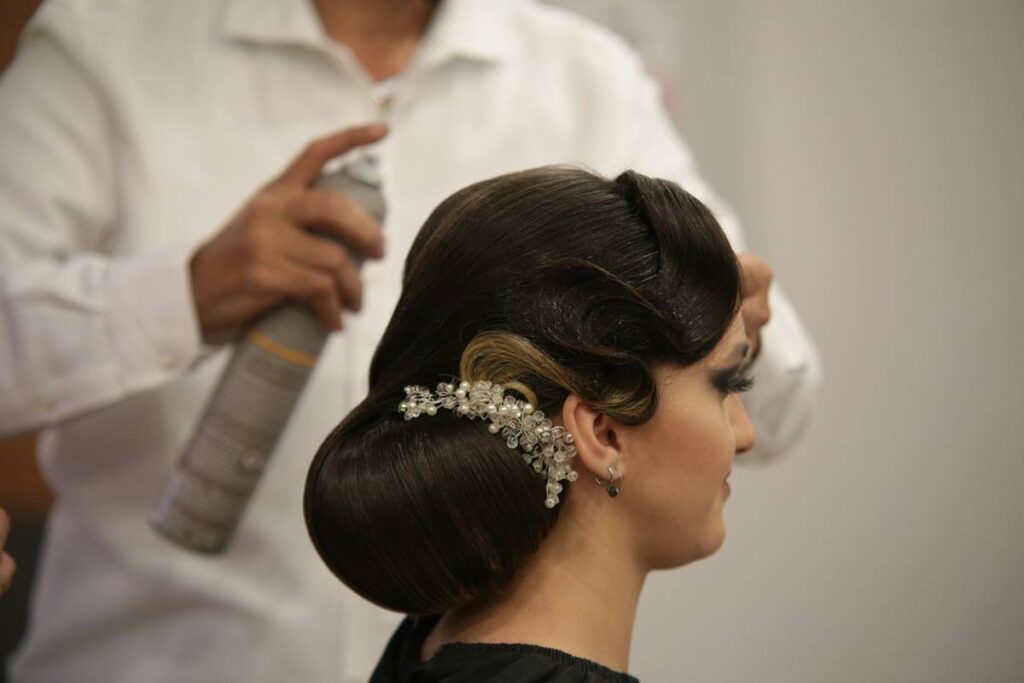
Hold the can 10–12 inches away. Mist in short bursts over sections—not one continuous stream. Flip hair upside down and focus on roots for lift, then smooth mid-lengths downward. Let each layer dry 15 seconds before adding more.
Lock with Cool Air
Finish with your blow dryer’s cool shot button. Cold air sets the polymer film gently, reducing brittleness. Skip this, and heat from styling tools can melt the spray unevenly—hello, sticky patches.
Best Practices for Long-Lasting, Flexible Style
- Never apply to soaking wet hair—it dilutes the formula and causes white residue.
- Shake the can vigorously for 10 seconds to mix polymers and propellants evenly.
- Clean nozzle weekly with rubbing alcohol to prevent clogs that create spotty application.
- Avoid “extra hold” claims without checking ingredients—many are just repackaged versions of basic formulas with more alcohol.
And here’s my terrible tip disclaimer: Don’t use hairspray as a dry shampoo substitute. I tried it once during a camping trip—big mistake. The starch-alcohol combo turned my roots into chalky clumps that wouldn’t brush out for days.
Real Results from Professional Formulas
In a 2023 consumer test by Allure, participants with thick, coarse hair rated Bumble and Bumble’s Strong Finish Spray highest for “hold without stiffness.” Users reported 12+ hours of frizz control with zero flaking—even in 90% humidity. The key? A hybrid polymer system combining PVP (polyvinylpyrrolidone) and VP/VA copolymer, which forms a flexible net instead of a rigid shell. Meanwhile, drugstore brands relying solely on PVP failed after 4 hours, per the SpecialChem Cosmetic Ingredients Database.
For those prioritizing scalp health, our team at Att Advance Wireless Service partners with dermatologists to vet ingredient transparency—because what goes on your head shouldn’t compromise your wellness.
FAQs About Hair Spray for Thick Hair
Can hair spray cause hair loss in thick hair?
No—when used correctly, modern sprays don’t clog follicles or weaken strands. However, excessive buildup from daily use without clarifying can lead to traction alopecia if you frequently pull hair taut while styling.
What’s the best hair spray for thick curly hair?
Look for alcohol-free, curl-defining sprays with glycerin and hydrolyzed wheat protein. They enhance pattern definition while resisting humidity-induced frizz.
How often should I wash out hair spray residue?
Clarify every 7–10 days with a sulfate-free chelating shampoo to remove polymer buildup. Skipping this leads to dullness and reduced hold over time.
Is “flexible hold” strong enough for thick hair?
Yes—if it contains VP/VA copolymer. These newer polymers offer medium-to-strong hold with memory retention, bouncing back after brushing.
Does hair spray expire?
Aerosol cans last 3 years unopened, but once punctured, propellant loss reduces spray pressure within 12–18 months. If mist turns watery or sputters, replace it.
Where can I learn more about safe styling practices?
Review our full ingredient glossary on the Privacy Policy page, which details how we evaluate product safety data.
Choosing the right hair spray for thick hair isn’t about brute-force hold—it’s about smart polymers, mindful application, and respecting your hair’s natural resilience. If you’re still unsure which formula matches your texture and lifestyle, contact us for a personalized recommendation. Because great hair shouldn’t feel like armor.