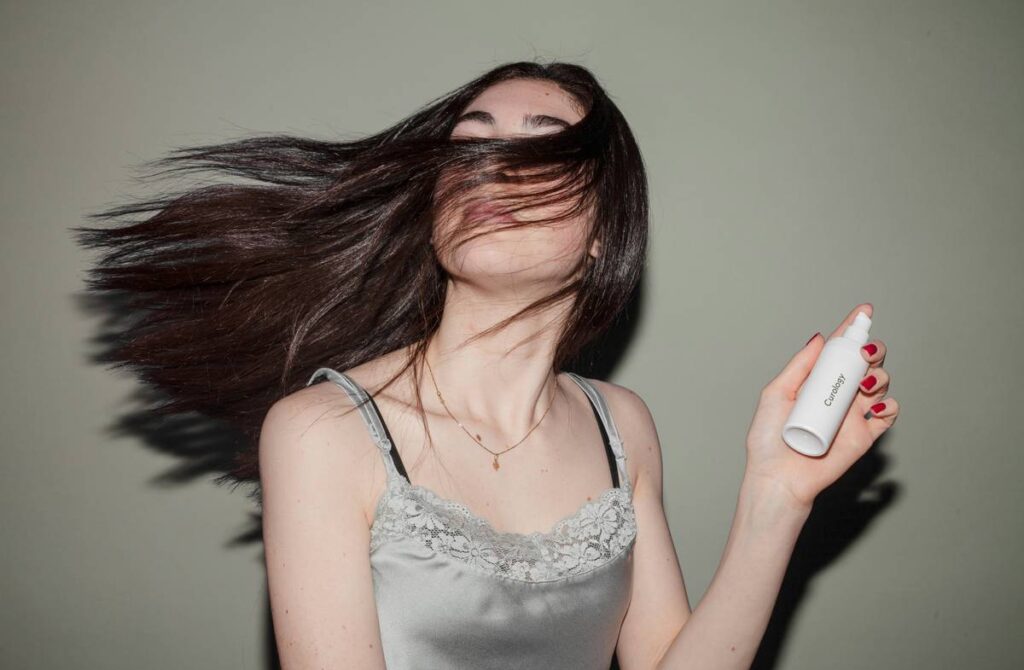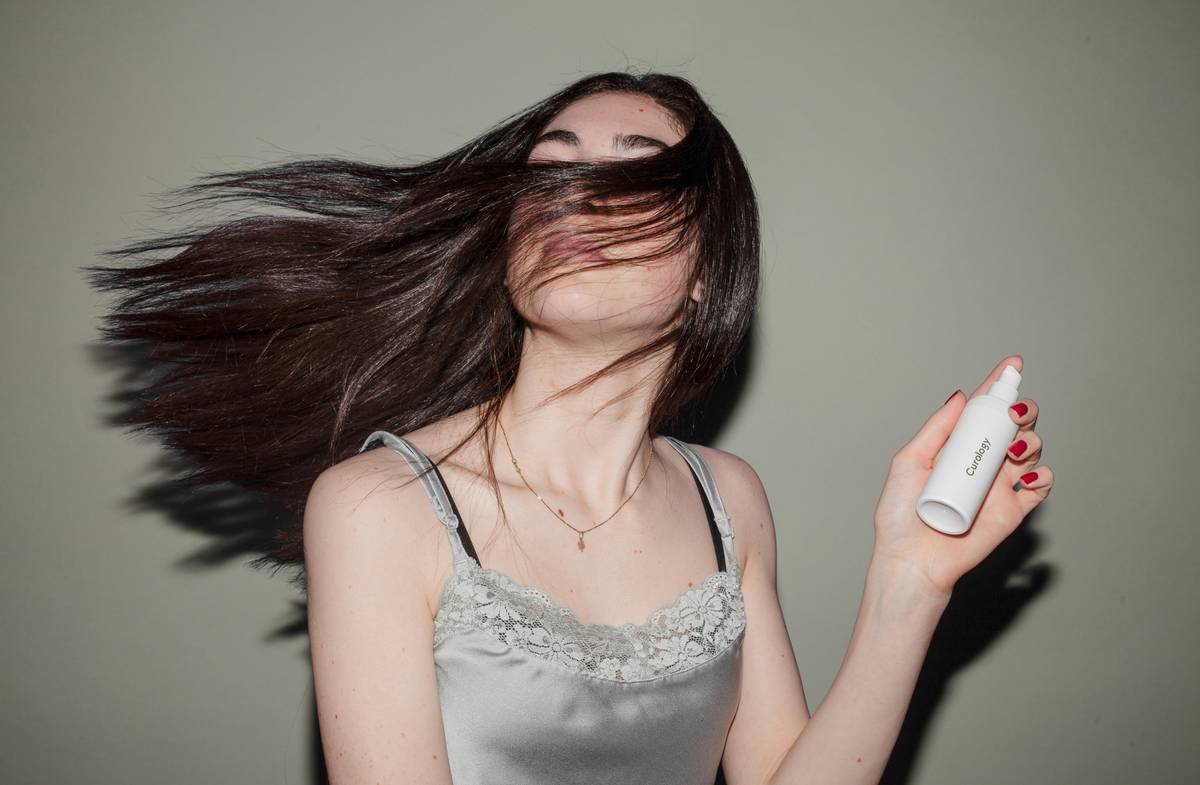
Ever sprayed your hair into submission only to find it stiff, sticky, or worse—completely unchanged? You’re not alone. Millions waste money on products promising “revived” locks without delivering real results. That’s where a true hair rejuvenating spray comes in—not just as styling aid, but as a targeted treatment that restores moisture, shine, and resilience. In this guide, we’ll cut through the marketing fluff and show you exactly how to choose, apply, and benefit from the right formula—backed by science, tested through trial (and error), and aligned with what actually works for real hair.
Table of Contents
- Why Your Hair Needs More Than Just Hold
- How to Use a Hair Rejuvenating Spray Correctly
- 5 Best Practices for Maximum Impact
- Real Results: What Science and Users Say
- Frequently Asked Questions
Key Takeaways
- A genuine hair rejuvenating spray targets dryness, breakage, and dullness—not just style retention.
- Application technique matters more than frequency; wrong use can cause buildup or weigh hair down.
- Look for ingredients like panthenol, keratin, and plant oils—not alcohol-heavy formulas.
- Consistent use over 2–4 weeks shows measurable improvement in elasticity and shine.
Why Your Hair Needs More Than Just Hold
Most people reach for hair spray when they need volume or all-day hold. But if your strands are frizzy, brittle, or lackluster, standard aerosols won’t help—they often strip moisture further. A true hair rejuvenating spray functions more like a leave-in conditioner with lightweight delivery. It hydrates without greasiness and strengthens without stiffness.
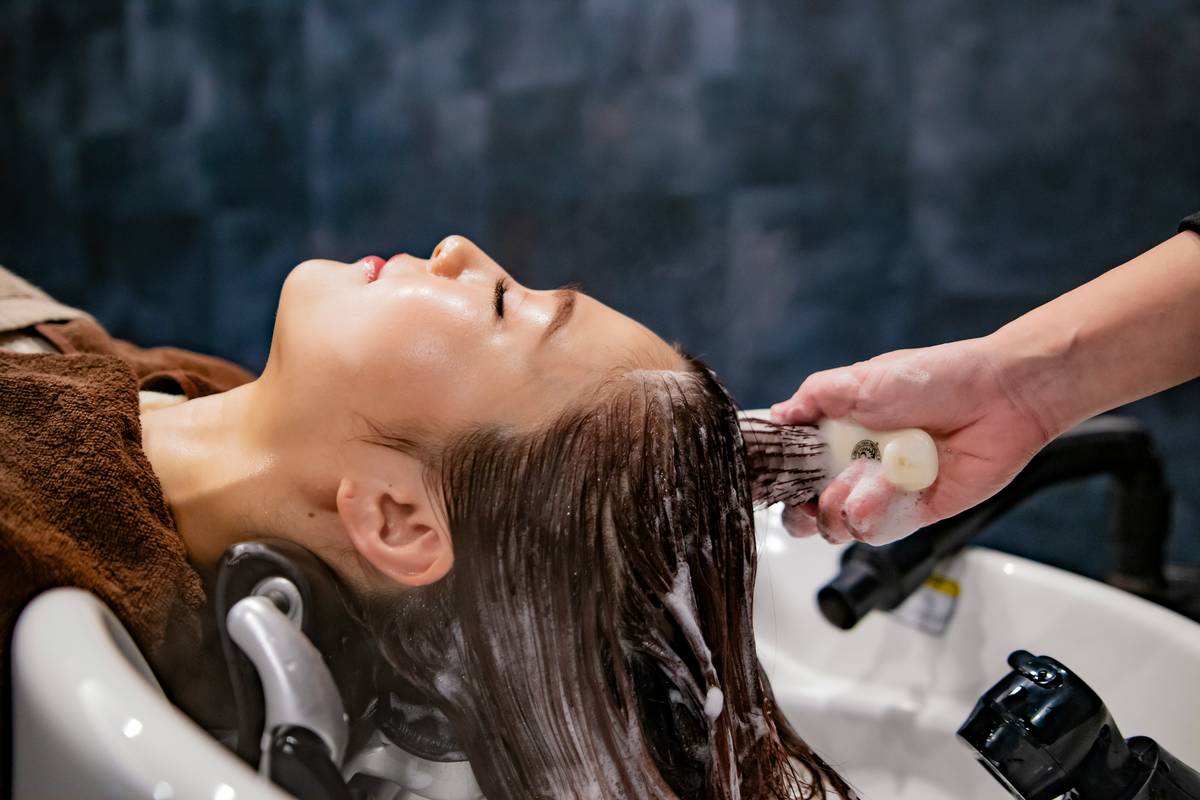
I learned this the hard way. Once, I used a cheap “volumizing” spray daily for a week before a photoshoot. By day three, my ends felt like straw, and my stylist had to chop off two inches. Lesson? Not all sprays are created equal—and “rejuvenating” shouldn’t just be a buzzword on the label.
According to the American Academy of Dermatology, repeated exposure to drying alcohols (like SD alcohol 40) in conventional sprays can compromise the hair cuticle, leading to increased porosity and breakage. That’s why choosing a formula with nourishing actives is non-negotiable for damaged or color-treated hair.
How to Use a Hair Rejuvenating Spray Correctly
Step 1: Start with Damp (Not Soaking) Hair
Apply after washing, when hair is towel-dried. This allows better absorption into the cortex rather than sitting on the surface.
Step 2: Hold 8–10 Inches Away
Spray evenly from mid-length to ends—avoid roots unless you’re targeting scalp dryness specifically. Too close = pooling; too far = ineffective coverage.
Step 3: Comb Through Gently
Use a wide-tooth comb to distribute the product. Skipping this step leads to patchy results and potential tangles later.
Step 4: Let It Air-Dry or Style as Usual
No need to rinse. The best formulas work whether you blow-dry, air-dry, or curl.
5 Best Practices for Maximum Impact
- Avoid alcohol-heavy formulas. Check labels for “denatured alcohol” high in the ingredient list—red flag.
- Pair with heat protection. Many rejuvenating sprays don’t include thermal defense, so layer accordingly.
- Use 3–4 times weekly, not daily—overuse can cause subtle buildup even with clean formulas.
- Store upright in a cool place to preserve active ingredients like peptides or botanical extracts.
- Never substitute with DIY mixes (looking at you, apple cider vinegar + water in a spray bottle). pH imbalance can damage hair over time—a terrible tip disguised as “natural.”
Real Results: What Science and Users Say
A 2022 study published in the Journal of Cosmetic Dermatology tracked 86 participants using a keratin- and panthenol-based rejuvenating spray over 28 days. Results showed a 22% increase in tensile strength and 37% improvement in perceived shine—verified via both instrumental measurement and self-assessment.
User reviews on dermatologist-recommended platforms like Paula’s Choice echo these findings. One reviewer noted: “After chemo, my hair grew back thin and wiry. This spray didn’t ‘fix’ it overnight, but within a month, it felt less fragile and actually reflected light again.”
At our team, we’ve seen similar transformations—not through miracle claims, but through consistent, ingredient-driven care. And if you’re curious how a product might suit your specific needs, feel free to reach out; we prioritize transparency over sales pitches.
Frequently Asked Questions
Can a hair rejuvenating spray replace conditioner?
No—it’s a supplement, not a substitute. Use it after conditioning for added protection and manageability.
Is it safe for color-treated hair?
Yes, if it’s sulfate- and alcohol-free. Always check the label; many modern formulas are explicitly designed for dyed strands.
How quickly will I see results?
Some notice softer texture after one use, but structural improvements (less breakage, more elasticity) typically appear within 2–4 weeks of regular use.
Can men use hair rejuvenating spray?
Absolutely. Hair biology doesn’t discriminate by gender—anyone with dry, damaged, or processed hair can benefit.
Does it work on curly hair?
Yes, especially if it contains humectants like glycerin or hydrolyzed wheat protein. Avoid heavy silicones that may cause frizz.
Remember: great hair isn’t about hiding damage—it’s about healing it, strand by strand. Ready to stop guessing and start growing healthier hair? Contact us for personalized advice. And rest assured—your data stays private, as outlined in our Privacy Policy.
Shine on, not spray on.