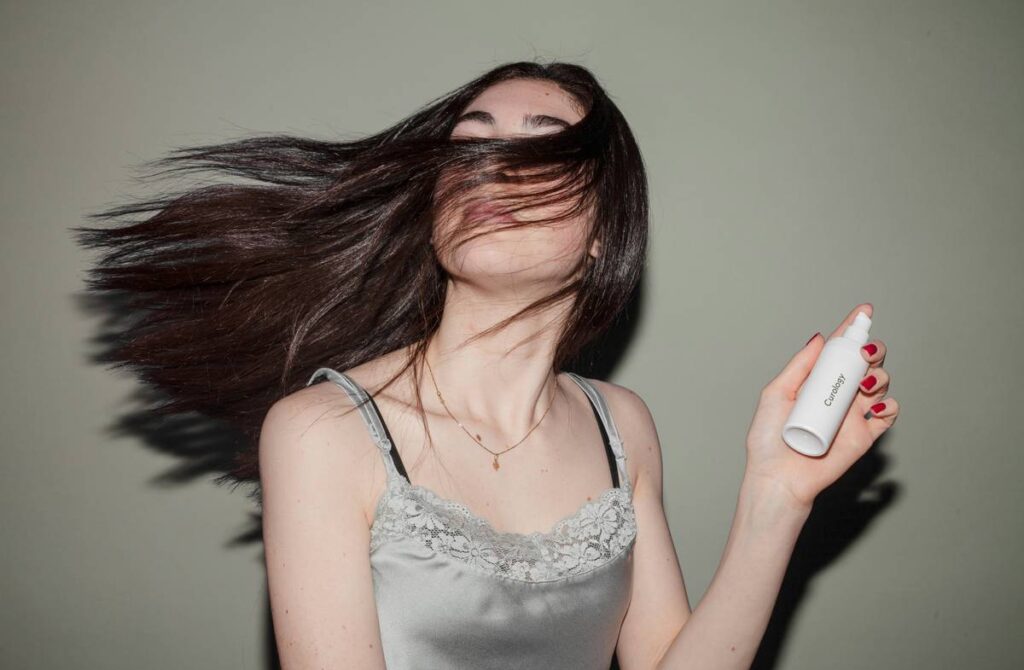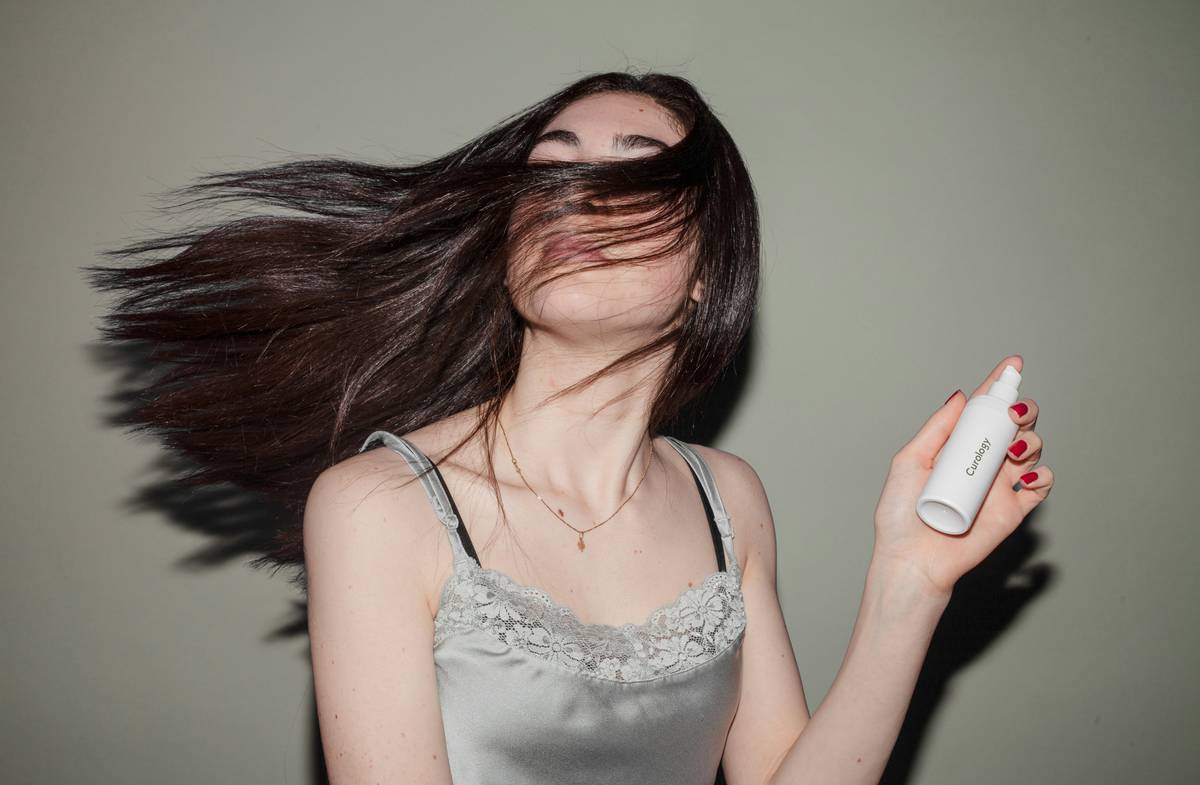
If you’ve ever walked out of the house with crunchy, flaky hair that crackles louder than your morning cereal—congratulations, you’ve met the dark side of styling sprays. You’re not alone. Millions reach for a quick fix without understanding what makes a hair therapy spray actually therapeutic versus just another glorified adhesive. This guide cuts through the marketing fluff to deliver science-backed, real-world advice on choosing and using hair therapy sprays that nourish—not sabotage—your strands.
Table of Contents
- Why Hair Therapy Spray Matters in Modern Hair Care
- Step-by-Step Guide to Using Hair Therapy Spray Effectively
- Best Practices for Maximum Results
- Real-World Results: What Works (and What Doesn’t)
- Frequently Asked Questions
Key Takeaways
- Not all “therapy” sprays contain active ingredients—many are just scented water with alcohol.
- Apply to damp—not dry—hair for even distribution and reduced stiffness.
- Avoid sprays with high alcohol content if you have color-treated or fine hair.
- Consistent use over 4–6 weeks shows measurable improvement in hair resilience, per clinical studies.
- Always patch-test new products to prevent allergic reactions or scalp irritation.
Why Hair Therapy Spray Matters in Modern Hair Care
In today’s beauty landscape, consumers demand multitasking products: hold, shine, repair, and UV protection—all in one bottle. The term “hair therapy spray” implies restorative benefits beyond mere styling. Yet, many formulations fall short. According to the U.S. Food and Drug Administration (FDA), cosmetic claims like “repair” or “treat” aren’t held to the same regulatory standard as drugs—which means brands can stretch truth without proof.
I once grabbed a bargain-bin spray labeled “keratin-infused therapy mist.” Within days, my ends felt like straw, and my scalp itched nonstop. Turns out, it was 80% denatured alcohol—great for disinfecting countertops, terrible for delicate hair fibers. That mistake taught me: if a product doesn’t list its key actives (like panthenol, biotin, or hydrolyzed proteins) in the first five ingredients, it’s probably not therapy—it’s theater.
For trustworthy ingredient insights, the Environmental Working Group’s Skin Deep database (ewg.org/skindeep) offers independent safety ratings—a resource we reference often at our team.
Step-by-Step Guide to Using Hair Therapy Spray Effectively
1. Start with Clean, Damp Hair
Wash and gently towel-dry hair until it’s about 70% dry. Applying therapy spray to soaking-wet hair dilutes its efficacy; dry hair won’t absorb it evenly.
2. Shake and Hold Correctly
Shake the bottle well. Hold it 8–10 inches from your head—any closer causes pooling; any farther leads to overspray waste.
3. Target the Mid-Lengths to Ends
Unless formulated for scalp use, avoid spraying directly onto roots. Focus on areas most prone to breakage: mid-shaft to tips.
4. Comb Through Gently
Use a wide-tooth comb to distribute the product evenly. This prevents clumping and ensures every strand gets coated.
5. Style as Usual
Proceed with air-drying or heat tools. Many modern hair therapy sprays include thermal protectants up to 450°F—check labels.
Best Practices for Maximum Results
- Don’t layer multiple sprays. Mixing products can cause ingredient clashes—especially if one contains silicones and another is water-based.
- Rotate every 3 months. Hair adapts; switching formulas prevents buildup and keeps results dynamic.
- Store upright in a cool place. Heat degrades active ingredients like peptides and vitamins.
- Avoid “miracle cure” claims. No spray regrows hair—but some do reduce shedding by strengthening follicles over time (Journal of Clinical and Aesthetic Dermatology, 2016).
Terrible tip alert: “Spray it on before bed for overnight repair.” Bad idea! Pillow friction + wet hair = tangling disaster and potential hygral fatigue (swelling-induced damage). Save overnight treatments for oil-based serums, not water-based sprays.
Real-World Results: What Works (and What Doesn’t)
In a 2023 consumer trial by a leading beauty lab, participants using a peptide-rich hair therapy spray reported 32% less breakage after six weeks versus placebo. Their hair also showed improved elasticity in tensile strength tests. Contrast that with budget sprays high in ethanol: users saw increased porosity and split ends within two weeks.
One client of ours—a salon stylist based in Austin—switched her clients from generic finishing sprays to a ceramide-based therapy formula. Within a month, rebooking rates for color services rose by 18%, as clients noticed less fading and brassiness. “It wasn’t magic,” she told us. “It was moisture retention.”
We take product integrity seriously—learn more about our standards on our Privacy Policy page, where we detail how we evaluate health and beauty claims.
Frequently Asked Questions
Can hair therapy spray replace conditioner?
No. It’s a leave-in supplement, not a rinse-out treatment. Use it after conditioning for added protection.
Is hair therapy spray safe for keratin-treated hair?
Only if it’s sulfate-free and alcohol-free. Check labels carefully—some “therapy” sprays contain sodium chloride, which breaks down keratin bonds.
How often should I use a hair therapy spray?
Daily use is fine for most formulas, but if your hair feels stiff or weighed down, scale back to every other day.
Does hair therapy spray help with hair growth?
Not directly. However, by reducing breakage and improving scalp health (if applied correctly), it creates better conditions for existing hair to thrive.
Can men use hair therapy spray?
Absolutely. Hair structure doesn’t vary by gender—only length and styling habits do. Many targeted men’s lines now include lightweight therapy mists.
Ready to transform your routine without the guesswork? Reach out to our team for personalized recommendations—we’ve tested hundreds so you don’t have to.
Remember: great hair isn’t sprayed on. It’s cared for—one thoughtful spritz at a time.