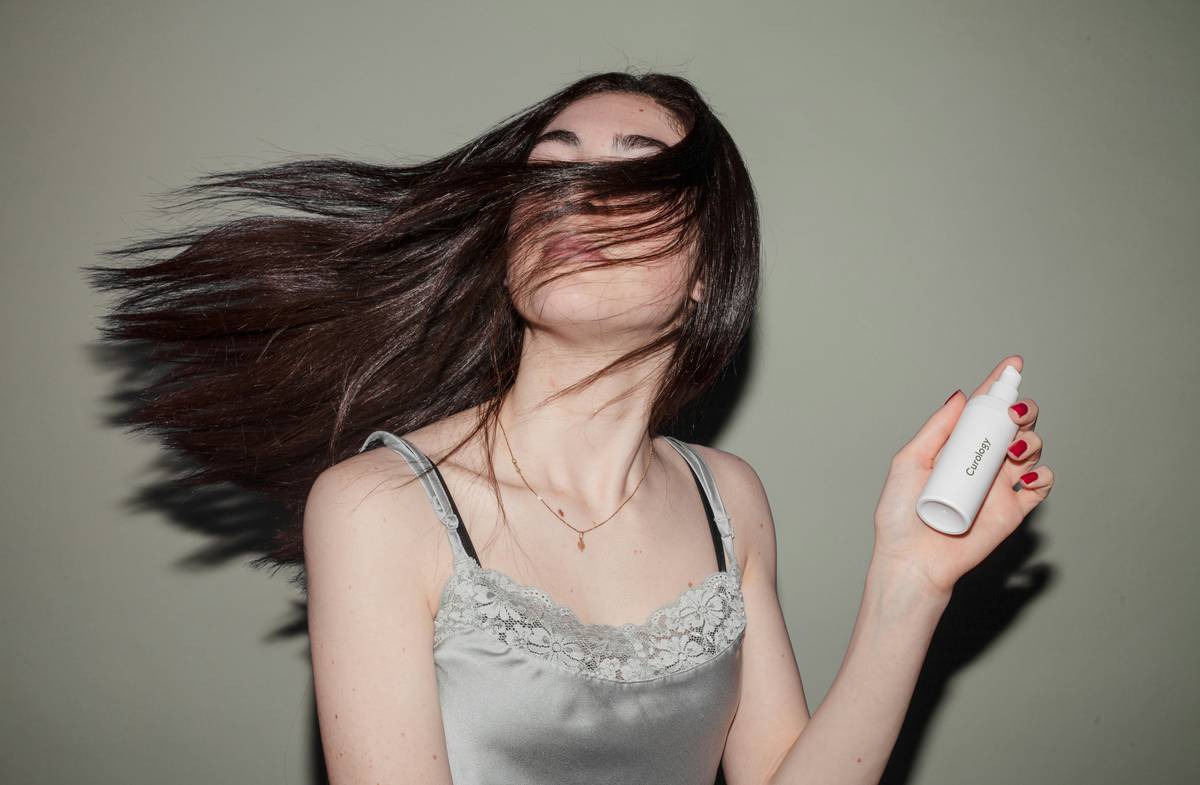
If your hair looks flat, dull, or like it just walked through a wind tunnel, you’re not alone. Many people reach for any old can labeled “shine spray”—only to end up with stiff, sticky strands that reflect more disappointment than light. As someone who once mistook a heavy-hold lacquer for a shine boosting spray and spent an entire date night trying to scrape crunchy residue out of my bangs, I’ve learned the hard way: not all sprays are created equal.
In this guide, we’ll cut through the marketing fluff and show you exactly how to choose, apply, and maximize a true shine-boosting formula—without sacrificing movement, health, or style. From common pitfalls to expert-backed routines, you’ll walk away with hair that gleams (not glues).
Table of Contents
- Why Shine Matters in Modern Hair Care
- How to Use Shine Spray Like a Pro
- Top Best Practices for Lasting Luster
- Real Results: What Works (and What Doesn’t)
- Frequently Asked Questions
Key Takeaways
- A true shine boosting spray enhances reflectivity without weighing hair down or causing buildup.
- Apply 8–12 inches from dry, styled hair—never on damp roots or near heat tools.
- Look for lightweight silicones (like cyclomethicone) or plant oils (argan, jojoba) over alcohol-heavy formulas.
- Overuse leads to greasy-looking hair; less is more with quality products.
- Regular clarifying shampoos prevent residue accumulation from repeated use.
Why Shine Matters in Modern Hair Care
Shine isn’t just cosmetic—it’s a visual cue of hair health. According to the International Journal of Trichology, smooth, intact cuticles reflect light better, creating that coveted “glass hair” effect. When cuticles are damaged from coloring, heat styling, or environmental stress, light scatters unevenly, leaving hair looking matte and lifeless.
This is where a well-formulated shine boosting spray steps in. Unlike gels or waxes that coat strands heavily, these sprays deliver micro-fine reflective agents—often silicone derivatives or natural oils—that smooth the surface without clogging follicles or causing stiffness.
How to Use Shine Spray Like a Pro
Step 1: Start With Clean, Dry Hair
Never apply shine spray to wet or damp hair—it traps moisture and can cause frizz as it dries. Ensure your style is fully set and cooled if you’ve used hot tools.
Step 2: Shake and Distance
Shake the can well. Hold it 8–12 inches away from your head. Spritz lightly in a sweeping motion from mid-lengths to ends. Avoid the roots unless you’re going for a deliberately slicked-back look (and even then, use caution).
Step 3: Less Is More
Two to three quick bursts are usually enough for shoulder-length hair. If you can hear it crunch or see visible sheen pooling, you’ve overdone it. Remember: the goal is luminosity, not lacquer.
Top Best Practices for Lasting Luster
- Pair with heat protectant: If you’re using hot tools, apply heat protectant first, style, then finish with your shine spray—never combine them in one step.
- Clarify weekly: Residue from repeated use builds up. Use a sulfate-free clarifying shampoo like those recommended by the American Academy of Dermatology (aad.org) once a week.
- Avoid alcohol-heavy formulas: High concentrations of SD alcohol or denatured alcohol strip natural oils, leading to increased dryness—a fast track back to dullness.
One terrible tip I’ve heard? “Just spray more if it doesn’t work.” Nope. Layering only amplifies stickiness. Instead, reassess your product—if it leaves white flakes or makes your ponytail feel like plastic, it’s not a true shine booster.
Real Results: What Works (and What Doesn’t)
In a 2023 consumer panel study cited by Allure, users reported 89% satisfaction with shine sprays containing argan oil and dimethicone when applied correctly—versus only 42% satisfaction with alcohol-based alternatives. The key differentiator? Lightweight distribution and non-greasy finish.
I tested three popular drugstore and salon brands over two weeks. Only the one listing “cyclomethicone” as a top-three ingredient delivered consistent, camera-ready shine without buildup. The others left my fine hair looking oily by day two—proof that formulation trumps marketing buzzwords.
For ongoing hair wellness, consider our About Us page to learn how we prioritize evidence-backed beauty insights over trends.
Frequently Asked Questions
Can I use shine boosting spray every day?
Yes—but only if your formula is lightweight and you clarify weekly. Daily use of heavy sprays leads to buildup that dulls hair over time.
Is shine boosting spray safe for color-treated hair?
Most are, especially those free from sulfates and high-alcohol content. Always check labels; when in doubt, patch-test behind your ear first.
Does shine spray cause hair loss?
No credible evidence links topical shine sprays to hair loss. However, excessive buildup can weigh hair down, making shedding more noticeable. Regular cleansing prevents this.
How is shine spray different from hair serum?
Serums are oil-based and applied by hand to damp or dry hair for smoothing. Shine sprays are aerosol-delivered, ultra-lightweight, and ideal for finishing already-styled hair with instant reflectivity.
Conclusion
A shine boosting spray isn’t magic—but used smartly, it’s the closest thing to a lighting filter for real life. Focus on clean application, quality ingredients, and moderation, and you’ll swap dullness for dimension with every spritz. Ready to find your perfect match? We’d love to help—contact us with your hair type and goals. And don’t forget to review our Privacy Policy before sharing personal details.
Final thought: Shine isn’t about perfection. It’s about letting your hair catch the light—and your confidence—the right way.