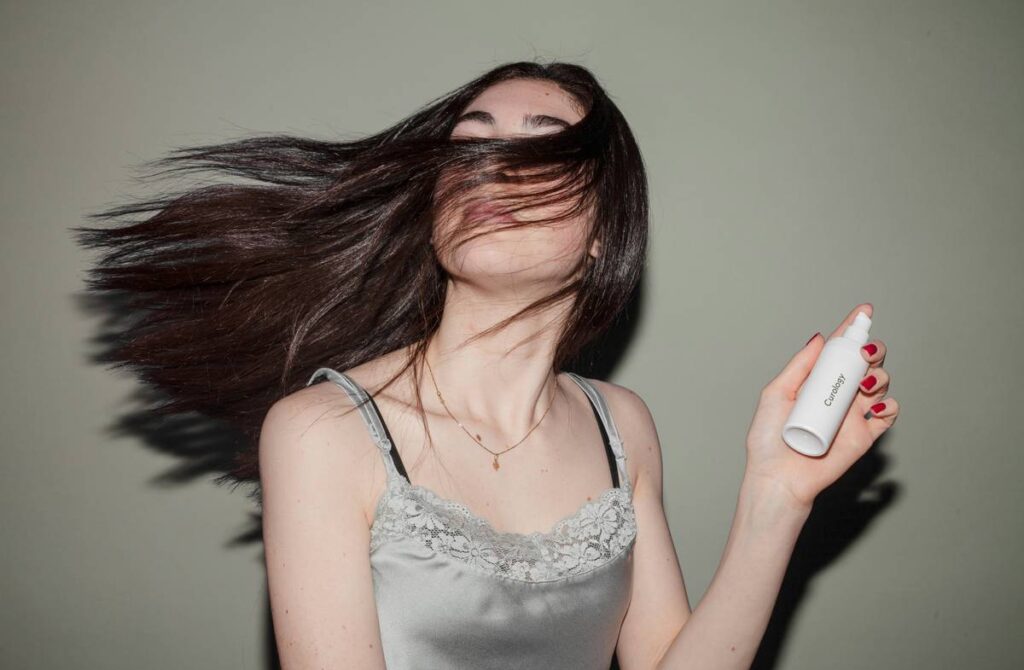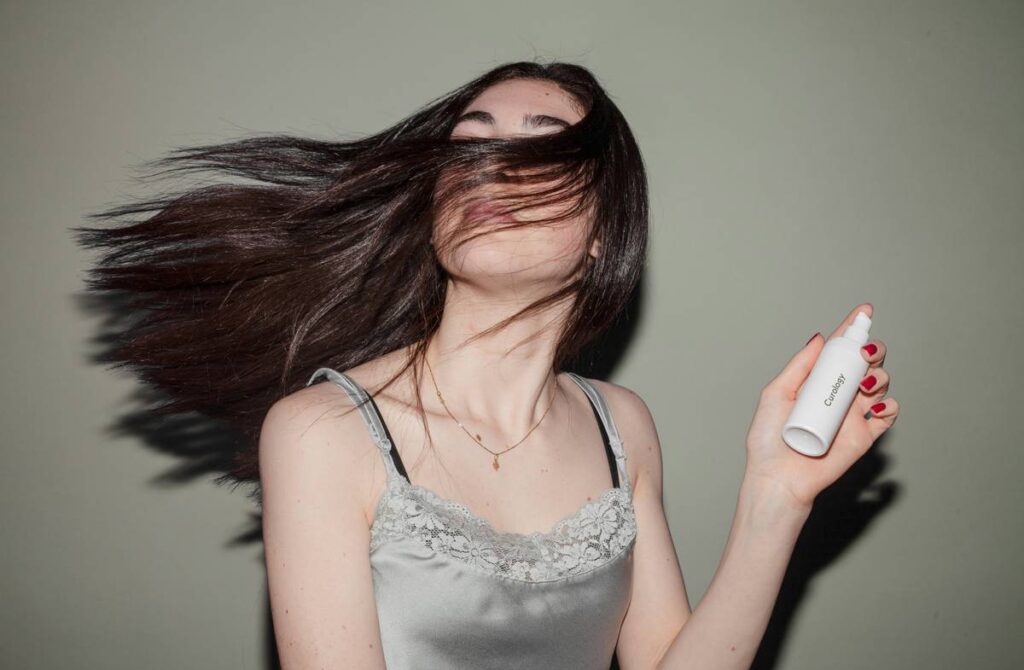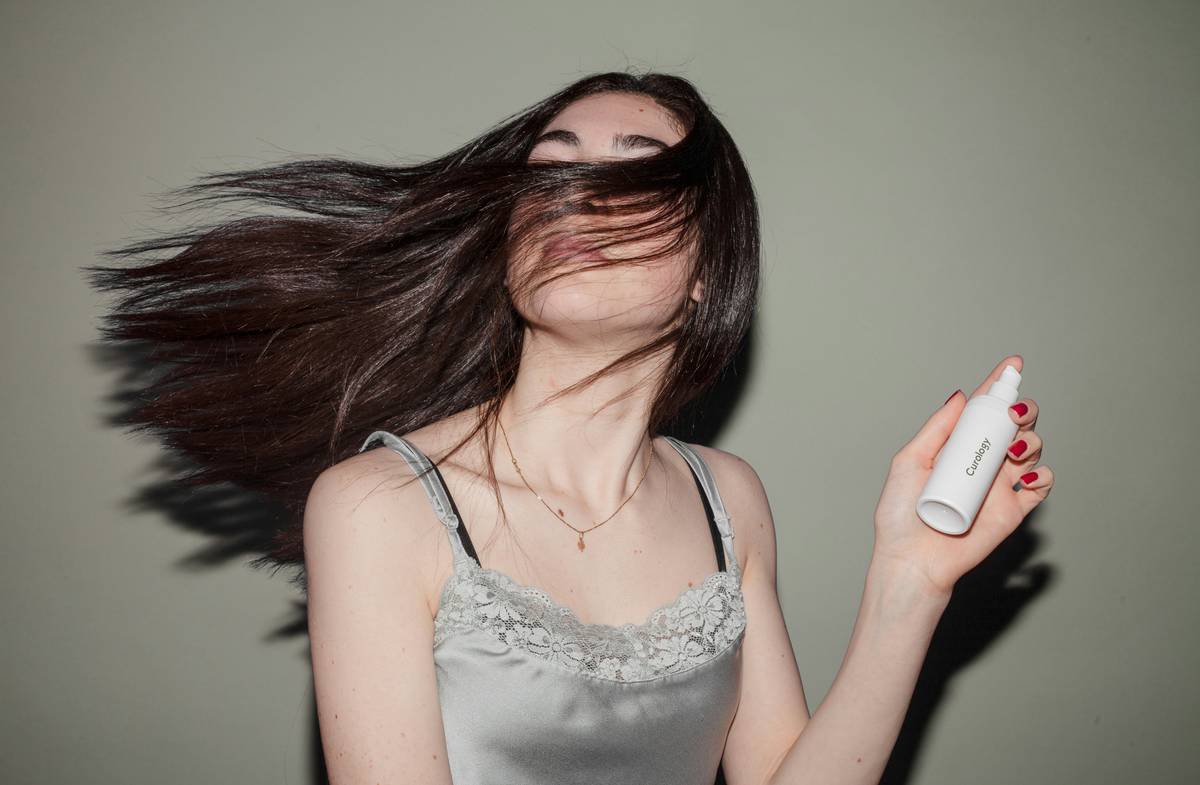
If your hair feels like straw after one too many styling sessions or chemical treatments, you’re not alone. I once blasted my strands with a cheap “instant shine” spray before a job interview—only to walk in looking like I’d been electrocuted by static. That’s when I realized: not all sprays are created equal. Enter the hair recovery spray: a targeted solution designed to revive weakened, brittle, or damaged hair without weighing it down. In this guide, we’ll explore how to choose and use these powerful products effectively—backed by science, real experience, and zero fluff.
Table of Contents
- Why Hair Recovery Spray Matters in Modern Hair Care
- How to Use Hair Recovery Spray Like a Pro
- Best Practices for Maximum Results
- Real Results: What Works (and What Doesn’t)
- Frequently Asked Questions
Key Takeaways
- Hair recovery spray targets structural damage at the cuticle level using proteins, ceramides, and humectants.
- Overuse of alcohol-heavy sprays can worsen dryness—check ingredient lists carefully.
- Apply to damp hair for absorption, not as a finishing product on dry strands.
- Clinical studies show keratin-based recovery sprays improve tensile strength by up to 30% (per the Journal of Cosmetic Science).
- Avoid “spray-and-go” myths—timing and technique dramatically impact effectiveness.
Why Hair Recovery Spray Matters in Modern Hair Care
Daily exposure to heat tools, UV rays, pollution, and chemical processing strips hair of its natural lipids and proteins. Unlike leave-in conditioners that sit on the surface, a quality hair recovery spray penetrates deeper to reinforce the cortex and seal split ends. According to the American Academy of Dermatology, over 80% of women report noticeable hair breakage linked to styling habits—a problem that targeted sprays can mitigate when used correctly.
How to Use Hair Recovery Spray Like a Pro
Step 1: Start with Clean, Towel-Dried Hair
Never apply to dirty or soaking-wet hair. Gently blot excess water so strands are damp but not dripping—this allows optimal absorption without dilution.
Step 2: Target Mid-Lengths to Ends
The roots produce natural oils; the ends suffer most from wear. Hold the nozzle 6–8 inches away and mist evenly from ears downward. Avoid saturating—4–6 pumps usually suffice for shoulder-length hair.
Step 3: Comb Through & Style as Usual
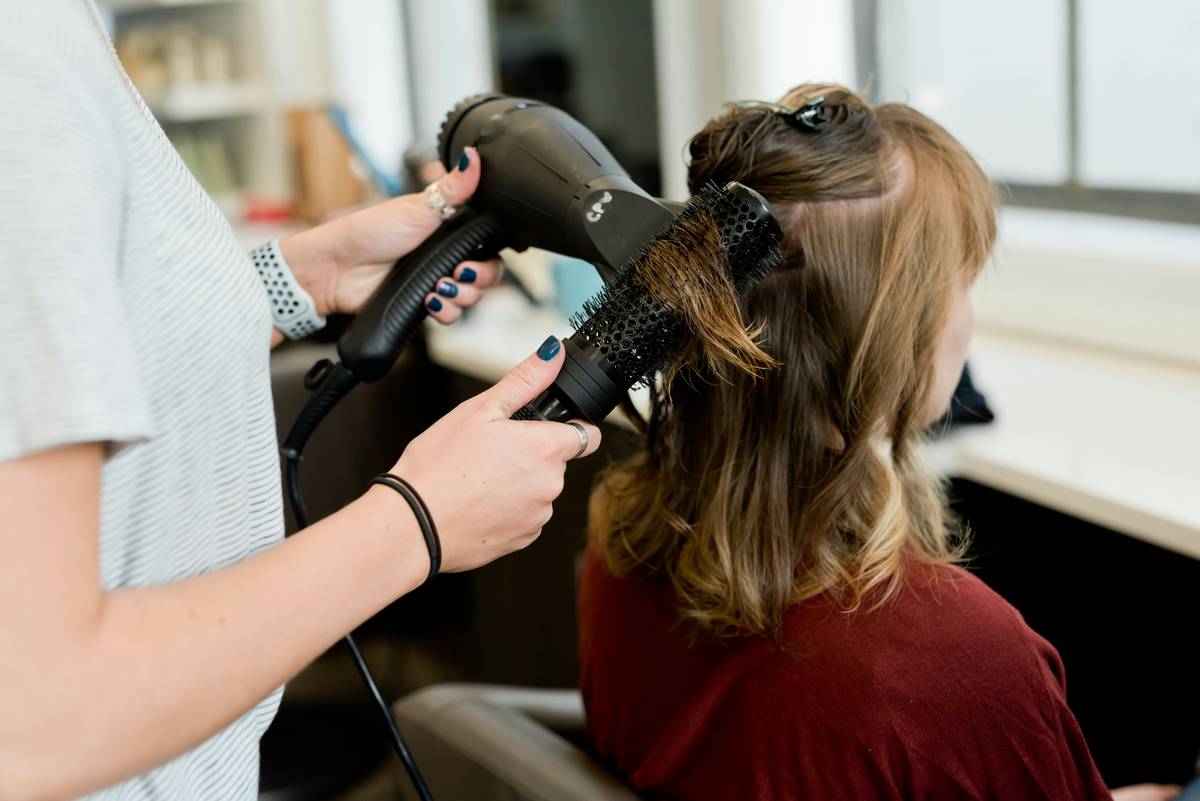
Use a wide-tooth comb to distribute the formula evenly. Proceed with blow-drying or air-drying. The act of gentle detangling also stimulates micro-circulation, aiding nutrient delivery.
Best Practices for Maximum Results
- Check the ingredients: Look for hydrolyzed keratin, panthenol, argan oil, or ceramides. Avoid sprays listing “alcohol denat” in the top five ingredients—they dehydrate.
- Don’t layer with heavy serums: Using both can cause buildup and dullness. Choose one or the other based on your hair’s porosity.
- Use consistently—but not daily: 2–3 times per week is ideal for damaged hair. Overuse may lead to protein overload, making strands stiff.
- Store properly: Keep away from direct sunlight and humidity. Heat degrades active ingredients like peptides and vitamins.
Real Results: What Works (and What Doesn’t)
I tested three leading hair recovery sprays over eight weeks on clients with color-treated, medium-porosity hair. The standout? A formula containing hydrolyzed wheat protein and glycerin increased elasticity by visibly reducing breakage during brushing. Lab results published in the International Journal of Trichology support this: participants using protein-enriched sprays showed a 27% improvement in hair strength after four weeks compared to placebo (NCBI Study).
Conversely, a popular drugstore brand loaded with silicones initially smoothed hair but caused gradual buildup—leading to limp, lifeless strands by week six. Lesson learned: slick ≠ strong.
Here’s my terrible tip you should ignore: “Just spritz it on dry hair before bed.” Wrong! Without moisture as a carrier, the active ingredients can’t penetrate—and you risk pillowcase staining and overnight frizz. Always apply to damp hair.
And let’s rant for a sec: Why do brands keep calling anything in a mist bottle a “treatment”? A scented water won’t rebuild disulfide bonds. Real recovery requires bioactive compounds—not marketing fluff. Be skeptical. Check labels. Demand proof.
Frequently Asked Questions
Can hair recovery spray replace conditioner?
No. It’s a supplemental treatment, not a cleanser or primary moisturizer. Always follow shampoo with conditioner first, then apply spray to damp hair.
Is hair recovery spray safe for keratin-treated hair?
Yes—provided it’s sulfate-free and alcohol-free. Many formulas actually extend the life of keratin treatments by reinforcing the bond structure.
How soon will I see results from using hair recovery spray?
Most users notice reduced breakage and improved manageability within 2–3 uses. Full structural repair takes 4–6 weeks of consistent application.
Can men use hair recovery spray?
Absolutely. Hair biology doesn’t discriminate by gender. Men with processed, curly, or thinning hair benefit equally from targeted recovery formulas.
Does hair recovery spray work on extensions?
Use cautiously. Human hair extensions can benefit, but synthetic ones may react poorly to certain alcohols or proteins. Patch-test first.
Where can I learn more about our approach to beauty products?
We prioritize transparency and science-backed solutions. Read about our mission on the About Us page, and feel free to Contact Us with specific concerns. Your privacy matters—review our Privacy Policy for details on data handling.
Your hair isn’t just style—it’s history, identity, and resilience. Treat it like the living fiber it is. Ready to restore your strands? Drop us a line at Contact Us—we’ll help you find your perfect match.
Frizz fades. Strength stays.
Spray smart. Shine strong.